
Balancing Screen Time and Outdoor Play: Protecting Your Child's Vision This Summer
Balancing Screen Time and Outdoor Play: Protecting Your Child's Vision This Summer
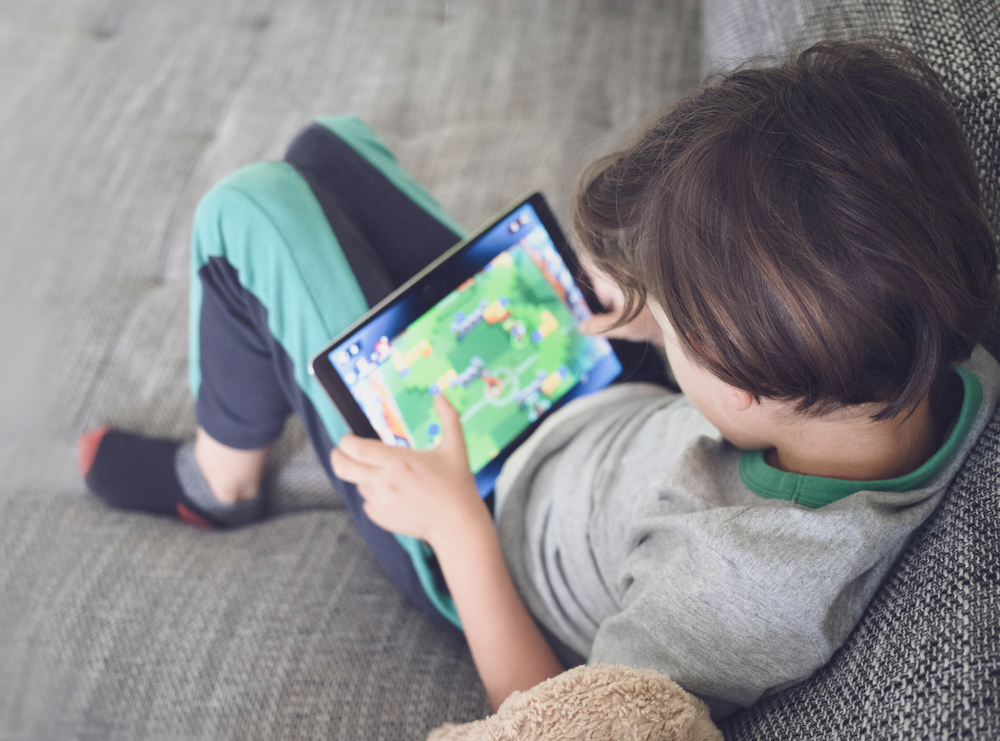
Summer often brings more flexibility, but it can also mean long hours on tablets, phones, gaming systems, and streaming devices. While screens are part of everyday life, extended close-up focus can contribute to eye strain and may increase the risk of myopia in children. Balancing device use with outdoor play can help support comfortable vision and healthy visual development.
Why Screen Habits Matter for Growing Eyes
Children may not always recognize or explain vision discomfort. After extended screen use, they may experience headaches, tired eyes, blurry vision, dryness, or difficulty shifting their focus from near to far. Holding a device too close can make the eyes work harder, especially during long sessions without breaks.
Screen time can also replace activities that allow children to look across longer distances. This matters because prolonged near work and limited outdoor time are associated with a higher risk of developing myopia, also called nearsightedness.
Build Healthier Summer Vision Habits
Parents do not need to remove screens completely. A consistent routine can reduce visual stress while leaving room for learning and entertainment.
• Follow the 20-20-20 rule - every 20 minutes, have your child look at something 20 feet away for at least 20 seconds.
• Keep phones, books, and tablets at least 12 inches from the eyes.
• Encourage one to two hours of outdoor activity each day with appropriate sun protection.
• Avoid screens in dark rooms and reduce glare by adjusting brightness and room lighting.
Outdoor activities such as walking, biking, swimming, and playing sports give the eyes regular breaks from close-up work. Natural light and distance viewing may also help lower the risk of childhood myopia.
Watch for Signs of a Vision Change
A child with myopia may see nearby objects clearly while having trouble reading signs, recognizing faces from a distance, or seeing the board at school. Other warning signs can include squinting, sitting close to the television, rubbing the eyes, frequent headaches, or avoiding visually demanding activities.
Because children often adapt to blurry vision, parents may not realize that something has changed. A pediatric eye exam can evaluate visual clarity, eye focusing, coordination, eye health, and prescription needs. It also provides an opportunity to discuss screen habits, outdoor time, and family history.
When Myopia Management May Be Recommended
Standard glasses can provide clear distance vision, but they do not necessarily address how quickly a child's prescription is changing. If myopia is progressing, myopia management may be recommended to help slow further changes as the eyes grow.
The right approach depends on the child's age, prescription, eye health, lifestyle, and rate of progression. Regular monitoring helps the eye doctor adjust the plan and track changes over time.
Schedule a Pediatric Eye Exam with revolutionEYES
Protect your child's vision this summer with a pediatric eye exam and personalized guidance from revolutionEYES. Visit our office in Columbia, MD, or call (443) 420-8113 to schedule an appointment.
Quick Links
Helpful Articles
All Eye Care Services
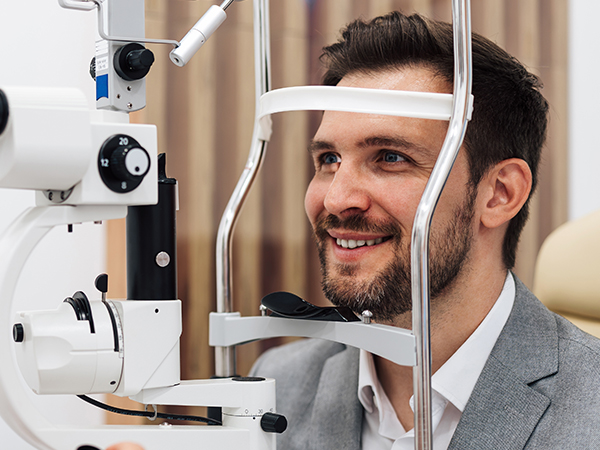
Find personalized eye care excellence with our comprehensive services. From eye exams to advanced diagnostics, trust us for all your vision needs.

Keep In Touch
For non-urgent questions or to learn more about our services, contact us today!
Quick Links
Our Services
Contact Info
- 6230 Old Dobbin Lane, Suite 190
Columbia, MD 21045 - Phone: (443) 420-8113
- Fax: (443) 973-6998
Hours of Operation
- Monday 9:00am - 5:00pm
- Tuesday 9:00am - 6:00pm
- Wednesday 9:00am - 5:00pm
- Thursday 9:00am - 6:00pm
- Friday 9:00am - 5:00pm
- Saturday Closed
- Sunday Closed
- Monday
- Tuesday
- Wednesday
- Thursday
- Friday
- Saturday
- Sunday
- Monday
- Tuesday
- Wednesday
- Thursday
- Friday
- Saturday
- Sunday
© 2026 revolutionEYES. All rights Reserved - Accessibility Statement - Privacy Policy - Sitemap
Managed and Designed by 