Healthy Aging Month: How To Protect Your Vision As You Get Older

Healthy Aging Month is a good reminder that caring for your eyes is an important part of supporting your overall health. As we get older, changes in vision can happen gradually, and some eye conditions may develop without obvious symptoms at first. Regular eye care helps protect your sight, detect concerns early, and keep your vision as clear and comfortable as possible.
Why Vision Changes With Age
Aging can affect the eyes in several ways. Many adults notice they need more light to read, have more trouble focusing up close, or experience dryness and irritation. These changes are common, but they should still be monitored by an eye doctor.
Some age-related eye conditions can affect long-term vision if they are not managed early. Cataracts, glaucoma, macular degeneration, diabetic eye disease, and dry eye are more common with age. A comprehensive eye exam allows your optometrist to check for these conditions and recommend care based on your needs.
The Importance Of Routine Eye Exams
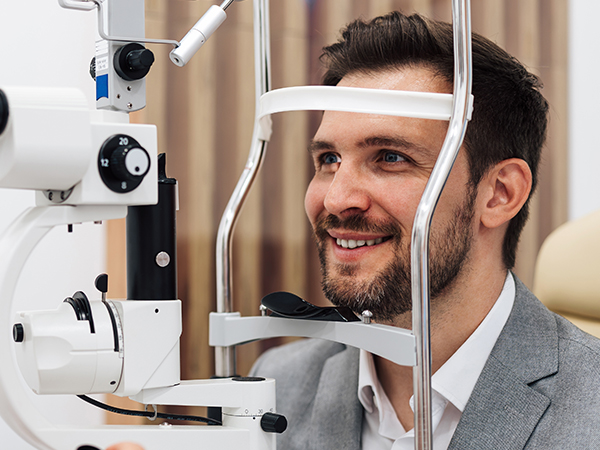
A comprehensive eye exam is more than a vision check. It evaluates how well you see, how your eyes work together, and the overall health of your eyes. During the exam, our eye doctors can look for early signs of disease, update your prescription, and discuss changes that may affect your daily life. Advanced technology, such as OCT and digital retinal exams, can also provide detailed images of the back of the eye to help detect concerns that may not be visible during a basic screening.
Even if you feel your vision is stable, routine exams are still important. Many eye diseases do not cause pain or noticeable vision changes in the early stages. Early detection gives you more options for protecting your sight and managing your eye health over time.
Healthy Habits That Support Aging Eyes
Simple daily habits can help support healthy vision as you get older. While not every eye condition can be prevented, a proactive approach can make a meaningful difference.
Schedule regular comprehensive eye exams
Wear sunglasses with UV protection outdoors
Manage health conditions like diabetes and high blood pressure
Eat a balanced diet with leafy greens, colorful fruits, and omega-3-rich foods
Take screen breaks to reduce eye strain
Stay hydrated and talk to your eye doctor about dry eye symptoms
Avoid smoking, which can increase the risk of certain eye diseases
Watch For Changes In Your Vision
It is important to pay attention to new or changing symptoms. Blurry vision, flashes of light, new floaters, eye pain, double vision, or sudden vision loss should be evaluated promptly. These symptoms can sometimes signal a more serious issue that needs timely care.
You should also let your eye doctor know if you are having trouble reading, driving at night, recognizing faces, or seeing clearly in low light. These changes may be related to your prescription, cataracts, dry eye, or another eye health concern.
Protect Your Vision For The Years Ahead
Healthy aging starts with prevention, consistency, and the right care team. By staying current with your eye exams and making healthy choices each day, you can help protect your vision and maintain the quality of life that clear sight supports.
Schedule your comprehensive eye exam with our practice today to take the next step in protecting your vision.
Quick Links
Helpful Articles
All Eye Care Services
Find personalized eye care excellence with our comprehensive services. From eye exams to advanced diagnostics, trust us for all your vision needs.

Keep In Touch
For non-urgent questions or to learn more about our services, contact us today!
Quick Links
Our Services
Contact Info
- 6230 Old Dobbin Lane, Suite 190
Columbia, MD 21045 - Phone: (443) 420-8113
- Fax: (443) 973-6998
Hours of Operation
- Monday 9:00am - 5:00pm
- Tuesday 9:00am - 6:00pm
- Wednesday 9:00am - 5:00pm
- Thursday 9:00am - 6:00pm
- Friday 9:00am - 5:00pm
- Saturday Closed
- Sunday Closed
- Monday
- Tuesday
- Wednesday
- Thursday
- Friday
- Saturday
- Sunday
- Monday
- Tuesday
- Wednesday
- Thursday
- Friday
- Saturday
- Sunday
© 2026 revolutionEYES. All rights Reserved - Accessibility Statement - Privacy Policy - Sitemap
Managed and Designed by 